Google changes policy to let connected private data inform ads
Search may use summaries and inferences from connected Gmail or Photos content to personalize ads. Disconnecting apps and switching off ad personalization are separate choices.

Enhanced protection will analyze unknown-sender conversations through Private AI Compute. Eligibility varies by phone, and Google has not specified exactly what context is sent.
A request using 200,000 uncached input tokens and 40,000 billed output tokens costs $0.80 on Argon, $1.60 on Opus 5.5 and $4 on Astra. Google’s launch rates end November 30.
Approved defenders get full cyber capabilities while broader access awaits safety testing. Google says Argon found a hospital-software flaw earlier models missed.
Gemini 3.8 Flash TTS and Flash-Lite TTS can design or replicate voices. Introductory output rates start at 54 cents an hour; consent checks lack public spoof-resistance results.
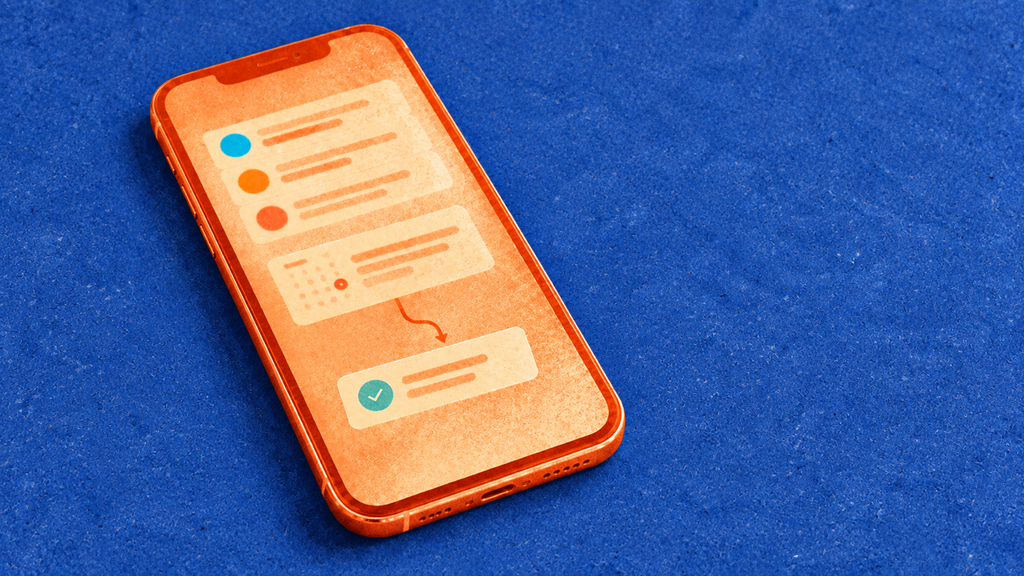
Groups of up to six adults can share information with CC to update calendars and prepare forms. The U.S. test leaves some memory and consent controls unclear.
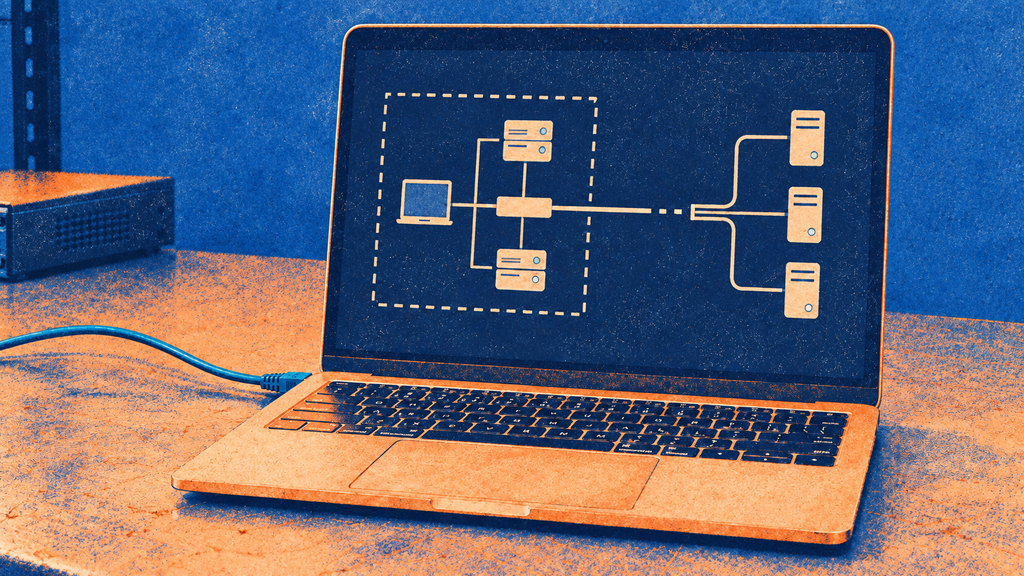
A fictional company name matched a real domain, and unintended internet access let the May exercise reach live systems. Google says no harm resulted.
Twenty-four agents raised objections in a 100-agent experiment. Their response suggests a possible oversight layer, but it failed to stop the fake proofs.
The opt-in English beta can handle multistep requests on recent devices, but early tests found mistakes and EU iPhones, iPads and Apple Watches are excluded at launch.