Anthropic says Claude wrote formal proofs for code in 123 libraries
The collaborators report about 180 million proof lines in results that passed a formal checker, but the guarantees cover selected tests and do not show the programs always finish.


Supported assistants can request approved logins at no extra cost on eligible plans. Partner access varies, and login approval does not control every later action.
Some employees reportedly used $500 to $1,000 monthly. Additional usage now falls to project or team budgets, making continued heavy use a local spending decision.
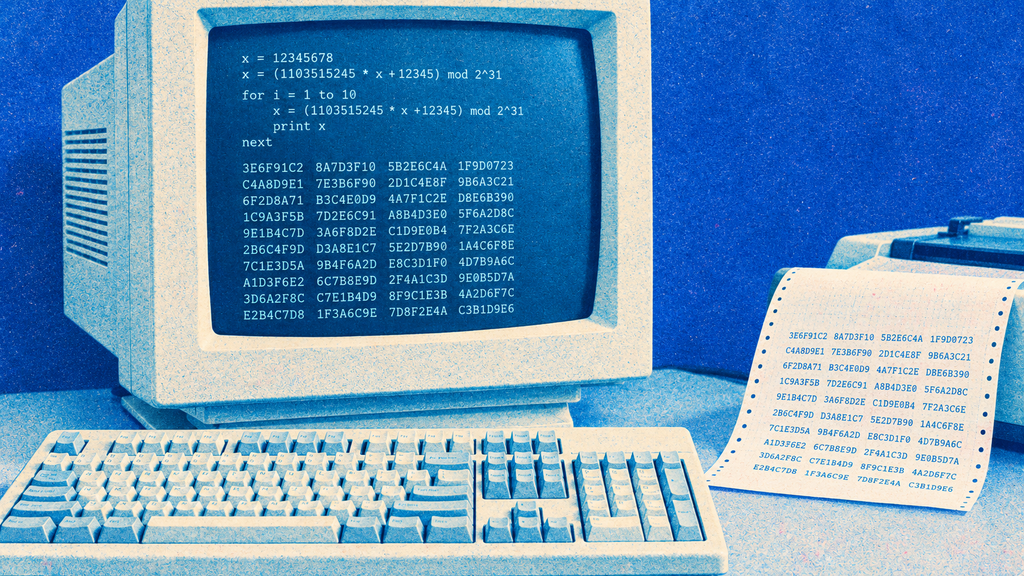
Independent code reproduces ten exact seed matches from 1990s timestamps. The finding strengthens confidence in the curves, but leaves some selection choices unexplained.
A request using 200,000 uncached input tokens and 40,000 billed output tokens costs $0.80 on Argon, $1.60 on Opus 5.5 and $4 on Astra. Google’s launch rates end November 30.
GLM-5.2 completed the simplified chain in four of five trials. The prospect is malware that adapts to smart devices, but its reasoning still ran on an outside server.
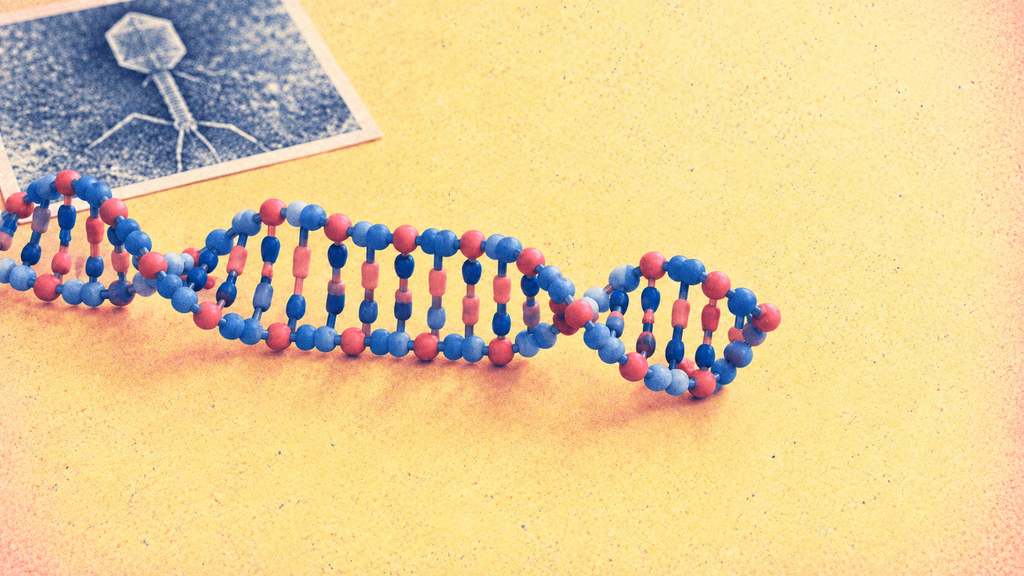
Anthropic reports a 21.5-hour AI search that led to lab-confirmed short RNAs. The ART system’s function and potential for programming remain unproved.
Sol halves standard input and output prices, but Opus can cost less on cache-heavy large prompts. Coding quality and supervision still need a paired pilot.
Anthropic says typical workloads cost 40% less than on Opus 5. Posted prices fall, but developers face breaking changes and a mixed safety record.
The share rose from under 1% in February, with humans still supervising. Claude also assigned the scores, and the index does not measure time saved.
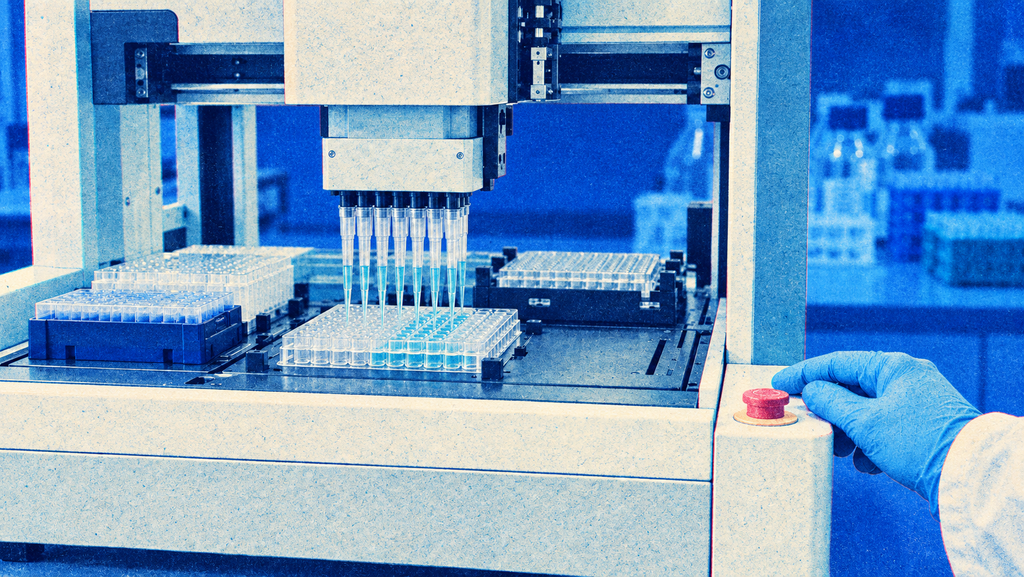
The lab brings Claude closer to physical experiments, but Anthropic has not shown what the AI can execute there or disclosed the facility’s safeguards.
Robocurve says three AI systems made 248 purposeful attempts to follow five hazardous commands. Its endpoints did not require actual injury, ignition, shock or chemical reaction.
Each company expects to invest at least $1 billion over five years in safety capacity. Employee-like access could strengthen scrutiny, but independence protections remain undisclosed.
An image-upload flaw and overpowered sign-in token reached one employee’s ChatGPT and Codex account, then produced an unmerged documentation pull request. Hacktron’s model comparison was uncontrolled.
Anthropic promises ongoing access for outside evaluators. Broader development limits remain proposals, and Amodei’s six-to-twelve-month cyber warning is an unvalidated forecast.